
Last updated March 18, 2026
Between piles of boxes, complicated logistics, and heightened emotions, moving creates a temporary security gap at two properties. Your old home sits empty and vulnerable more often, while your new home lacks established routines and familiar activity.
This checklist focuses on the most important security steps to take before leaving your old home and when setting up your new one, so both places stay protected during the transition.
What to Do at Your Old Home (Before and During the Move)
Tip #1: Secure valuables and sensitive items early
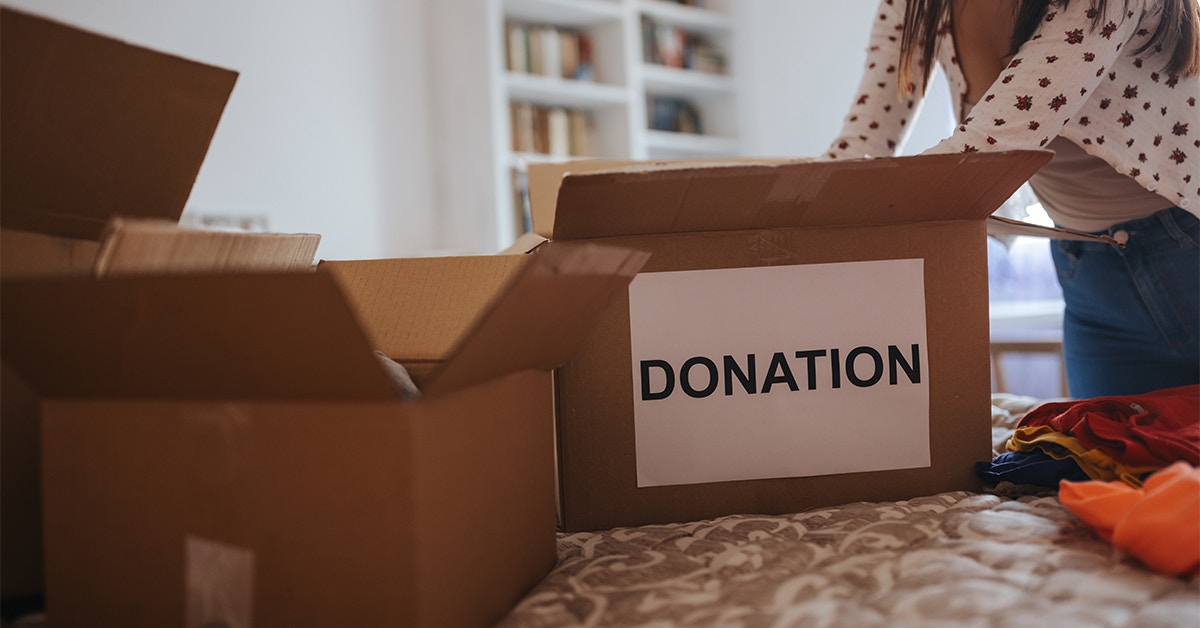
As moving day approaches, separate valuables, important documents, and personal items from your general packing. During this phase, multiple people may have access to your home, which makes early organization especially important.
Keep high-value items with you rather than on the moving truck, avoid labeling boxes in ways that signal valuable contents, and pack security equipment, networking gear, and chargers separately so they’re easy to locate and set up later. Taking these steps helps reduce risk while access to your home is less predictable.
Digitizing critical paperwork can also reduce risk during a move. Some security systems, like Alarm.com, allow you to store documents digitally so you can keep insurance policies, home inspection reports, appliance manuals, and vehicle records secure and accessible in one place.
Tip #2: Reduce visibility while the home is still occupied
An empty-looking home can attract attention—even before you fully move out. As packing progresses and rooms begin to clear, take steps to maintain a lived-in appearance.
Use lighting to keep activity visible in the evenings, avoid leaving doors or garages open for extended periods, and stick to normal routines as long as possible. The goal is to reduce visual cues that suggest the home is in transition until you officially leave.
Tip #3: Manage access as people come and go
In the final days before a move, movers, cleaners, contractors, and real estate agents may need access to your home. While this is often unavoidable, access should remain intentional and controlled.
Smart locks can make this significantly easier by allowing you to create temporary access codes instead of sharing physical keys. You can assign unique codes for specific people, remove access when work is complete, and receive alerts when someone enters—giving you clear visibility into who accessed your home and when.
If you don’t have a smart lock at your old home, try to be present during visits whenever possible, limit entry to only the areas being worked on, and avoid sharing keys widely or permanently. Managing who can enter—and when—helps reduce uncertainty during a period when activity is higher, and routines are already in flux.
Tip #4: Prepare the home for vacancy
Once the home is empty, security priorities change from day-to-day awareness to a clean handoff. Before you leave for the final time, lock all doors, windows, and secondary entrances, disable or transfer any active digital keys and codes, and confirm that alerts or monitoring are no longer tied to your account.
What to Do at Your New Home (Before and After Move-In)
Tip #5: Verify safety basics before move-in
Before boxes and furniture arrive, take time to walk through the empty home and confirm that essential safety features are working properly:
- Check smoke/CO alarms and detectors
- Rekey exterior locks
- Make sure doors and windows function as expected
- Confirm there is adequate lighting around entry points
- Locate key utility shut-offs
Establishing these basics first keeps the home safe and ready before you begin layering in smart security and monitoring.
Tip #6: Schedule a professional security assessment
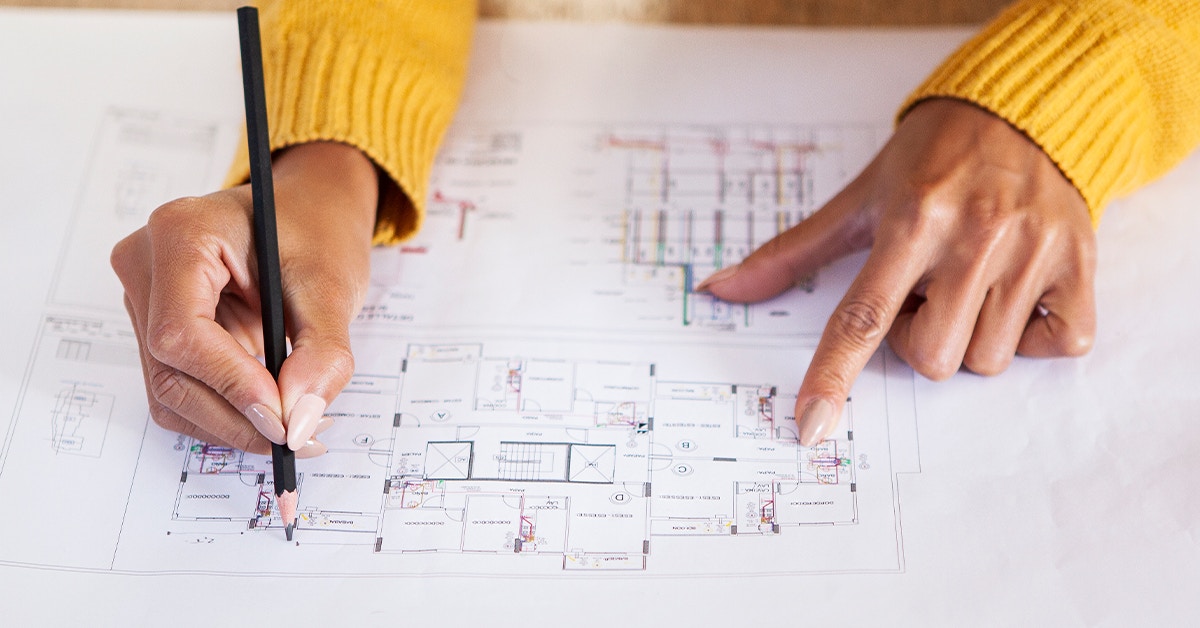
One of the best ways to start securing your new home is with a professional security assessment. A security professional can evaluate entry points, recommend optimal device placement, and help design a system that fits your home’s layout from day one.
They can also configure alerts, automation, and monitoring so your system is ready as soon as you move in.
As you settle into your new routines, your provider can help fine-tune settings or expand coverage if needed. Starting with a professional assessment helps ensure your system is set up correctly and built around how you actually live in your home.
Tip #7: Upgrade to smart locks
Professionally installed smart door locks and integrated garage controllers make it easier to manage access and monitor activity during this transition. Homeowners can track entry activity, receive alerts, and adjust access as people come and go.
Tip #8: Set alerts and visibility immediately
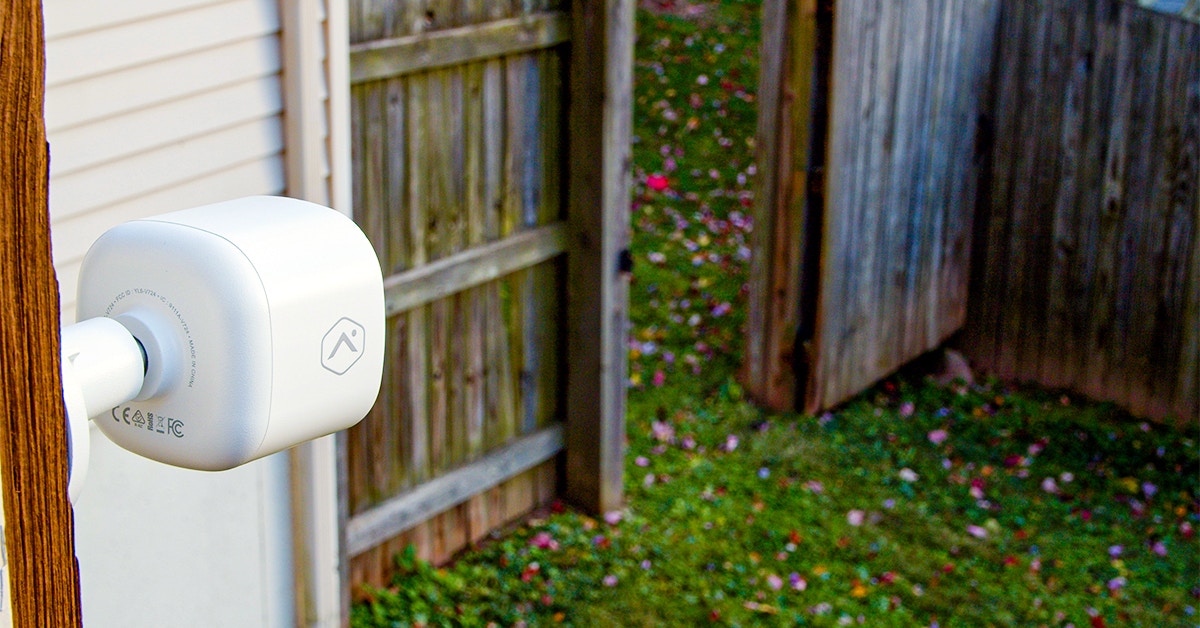
The first few weeks in a new home are unpredictable, with changing schedules and unfamiliar activity. Alerts help you stay aware even before routines are fully established by notifying you of door and lock activity and motion near entry points.
As your routines become more consistent, your system can help you stay informed about activity that may be out of the ordinary and need your attention.
For many homeowners, professionally monitored systems add an extra layer of reassurance by helping ensure alerts are addressed even when attention is split or you’re unavailable.
Tip #9: Protect deliveries and entry points
Move-in often brings a steady flow of deliveries, from furniture to everyday supplies, sometimes arriving before routines are fully established.
Improving visibility around entry points can help you stay aware of visitors and packages throughout the day. Video doorbells, notifications for arrivals, and lighting or cameras near entrances make it easier to monitor activity and reduce missed deliveries or surprises while you’re settling in.
Tip #10: Transition to everyday smart protection
Once routines begin to stabilize, take time to revisit your security setup and make refinements. Adjust alert sensitivity to reduce unnecessary notifications, fine-tune automation schedules to match how you actually use your home, and confirm monitoring aligns with your daily life.
Smart security should evolve as your home and habits settle, providing consistent protection without adding friction.
Ready to set up smart home security? Explore how new homeowners are using Alarm.com for their smart security.
Get serious security
Your home deserves a home security system that’s set up right from the start. A local Alarm.com pro can help determine optimal device placement, configure alerts and automation correctly, and tailor protection to how you actually live.
Find a trusted pro near you by filling out the form at the link below.
Looking to add a smart security system?
Get a customized, professionally monitored system that’s installed and supported by a licensed service provider in your area.
Already have a system?
If you already have an Alarm.com security system, find more information about how to transfer it to your new home.